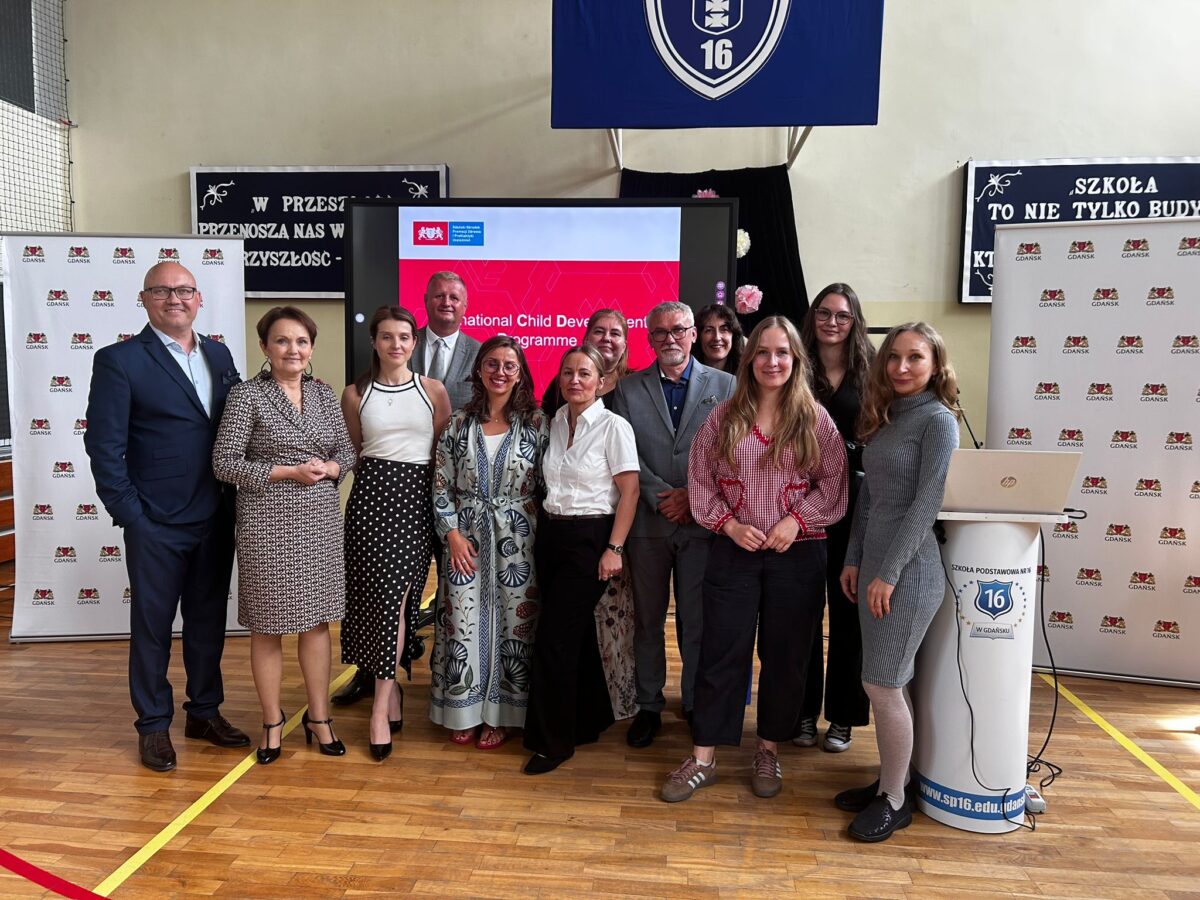
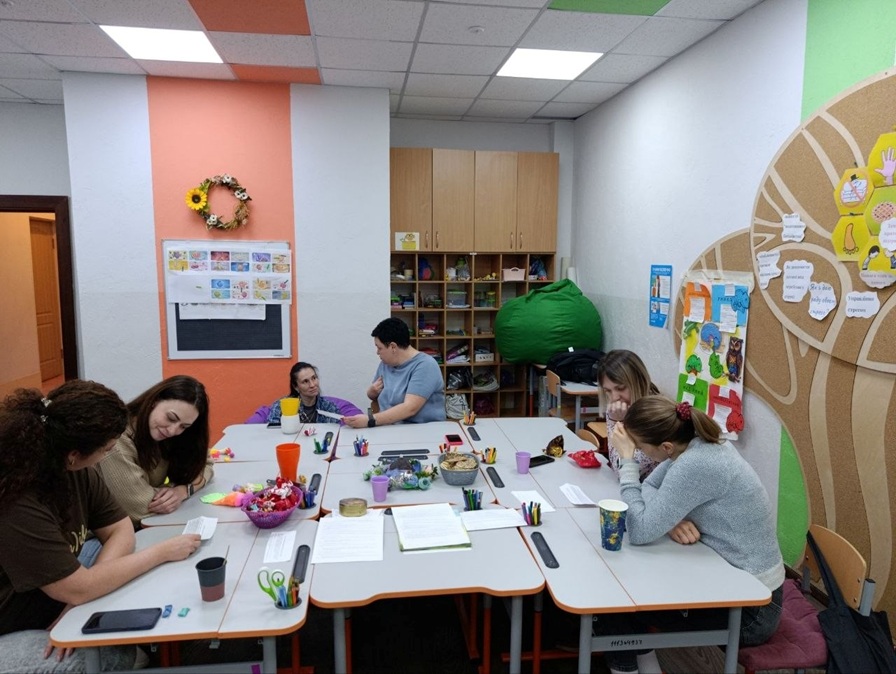
In December 2025, an article by Anna Krasina, Head of ICDP Ukraine, was published in the academic journal Bulletin of Academician Stepan Demianchuk International University of Economics and Humanities. Series: Pedagogy and Psychology (Вісник Міжнародного економіко-гуманітарного університету імені Академіка Степана Дем’янчука. Серія: Педагогіка та психологія)
Krasina H. V.
Family and Child in Wartime Conditions: Psychosocial Support Based on the International Child Development Programme Model
Annotation
The article presents a theoretical analysis of the psychosocial needs of children, adolescents, and families living in the context of war, and substantiates the potential of the International Child Development Programme (ICDP) as a model of support in crisis conditions. Based on a synthesis of Ukrainian and international studies, the paper demonstrates that a considerable proportion of children exhibit signs of psychological traumatization, anxiety symptoms, impaired self-regulation, and behavioural difficulties. At the same time, families face emotional exhaustion, loss of stability, reduced internal resources, and deterioration of parent–child interaction. The article outlines the key tasks of psychosocial support and emphasizes the importance of interdisciplinary approaches that integrate psychological, social, and educational interventions. Particular attention is given to art therapy methods as a flexible tool for emotional stabilization and for restoring the connection between the child and the caregiver. The conceptual foundations of ICDP, grounded in emotionally attuned interaction, sensitive responsiveness, and supportive dialogue, are analyzed. The article concludes that the integration of this model into work with families affected by traumatic events is advisable, given its humanistic orientation, cultural adaptability, and demonstrated potential to enhance the quality of parent–child relationships.
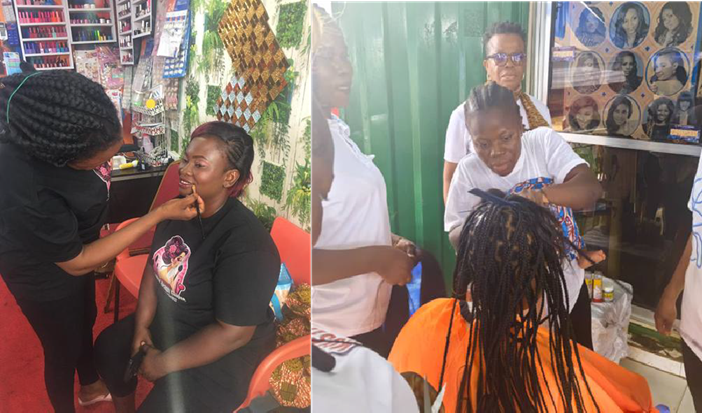
“ICDP Ghana have incorporated the ICDP prorgramme into their trainings of caregivers. In all our various programmes’ activities we add the ICDP caregiving practices emphasizing the empathy based approach to care.” – – ICDP Ghana leader, Joyce Larnyoh.
In 2025, ICDP Ghana consolidated its role as a programme-focused organisation delivering evidence-based, empathy-driven interventions to improve outcomes for children, caregivers, women, and adolescents. Through strategic partnerships with government institutions, international organisations, educational bodies, and community stakeholders, ICDP Ghana implemented and advanced programmes in maternal and child health, education, child protection, adolescent development, digital and vocational skills development, social and emotional learning (SEL), and STEM education.
Key initiatives such as SafeStart, D.A.R.E, O3, Think Equal Social and Emotional Learning, and the SeedScience Project reflect ICDP Ghana’s holistic approach to human development. These interventions combined direct service delivery with capacity building, systems strengthening, and national-level engagement, reaching thousands of direct and indirect beneficiaries across multiple regions.
Across all interventions, ICDP Ghana prioritised systems strengthening, community ownership, and national readiness, ensuring that programmes are not only impactful at the community level but also positioned for scalable and sustainable implementation.
SAFESTART – IMPROVING MATERNAL & EARLY CHILDHOOD HEALTH
SafeStart is a maternal and early childhood health initiative focused on early detection of pregnancy-related risks, improved access to quality maternal services, and strengthened caregiver–child wellbeing in underserved communities. The project delivers portable ultrasound diagnosis and maternal health education directly within rural and peri-urban communities in the Eastern Region, reducing barriers to care caused by distance and cost.
In 2025, SafeStart continued its implementation phase, building on activities initiated in 2024. The programme strengthened community-level access to antenatal services while reinforcing health-seeking behaviours through continuous engagement with caregivers, community leaders, and frontline health workers.
As part of this engagement, pregnant women, mothers and caregivers were guided using ICDP’s empathy-based approach, with the 8 guidelines forming the foundation for nurturing, responsive and supportive parenting practices. Key outcomes:
Active service delivery across six communities: Kitase, Pokrom, Adamorobe, Konkonuru, Brekuso, and Ahwerase.
Provision of portable ultrasound screenings integrated into routine antenatal check-ups.
Ongoing community mobilisation to improve prenatal services to women
1,000+ pregnant women screened and supported.
100% referral for identified high-risk pregnancies to health facilities.
Improved uptake of antenatal services and increased trust in community-based maternal care.
SafeStart has significantly reduced barriers to maternal health and strengthened early risk identification, contributing to healthier pregnancies and stronger foundations for post-natal care.
ICDP trainer, Atnaf Berhanu was in Ethiopia in late January and during February 2026 – read her report below.
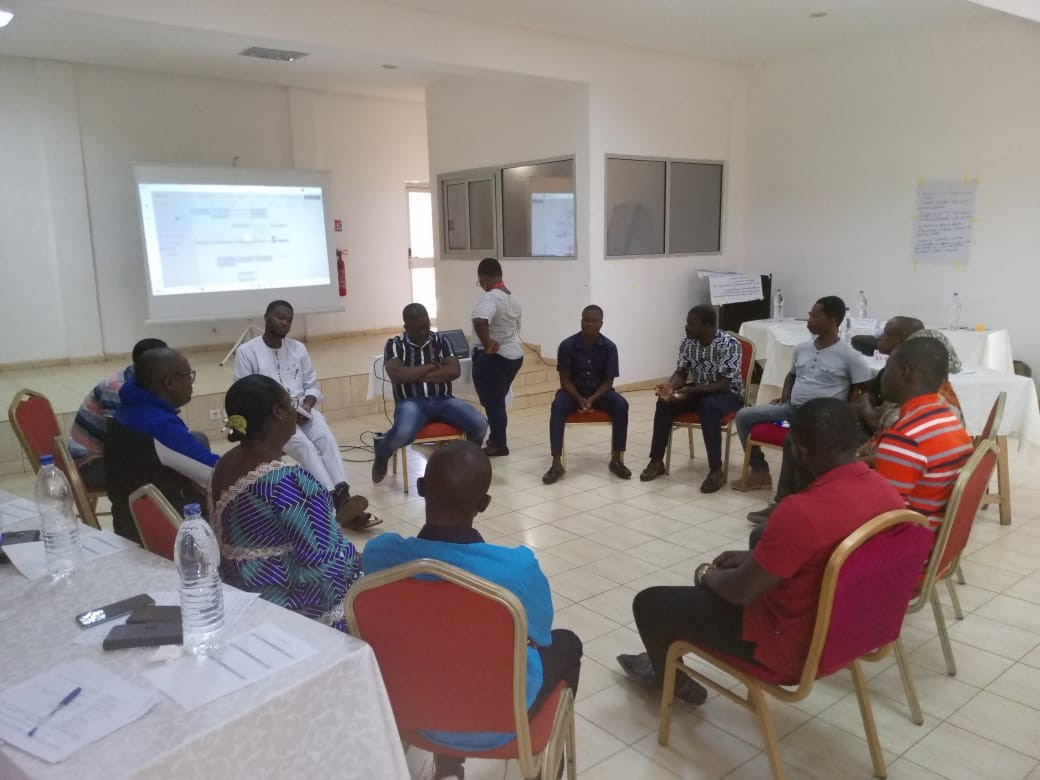
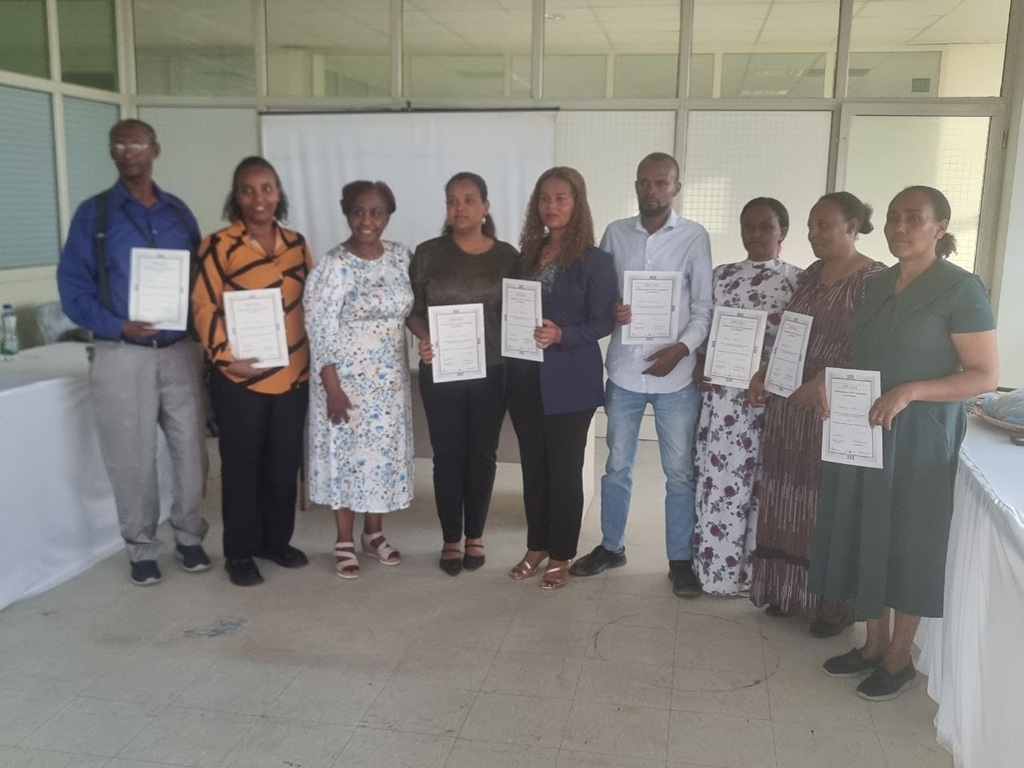
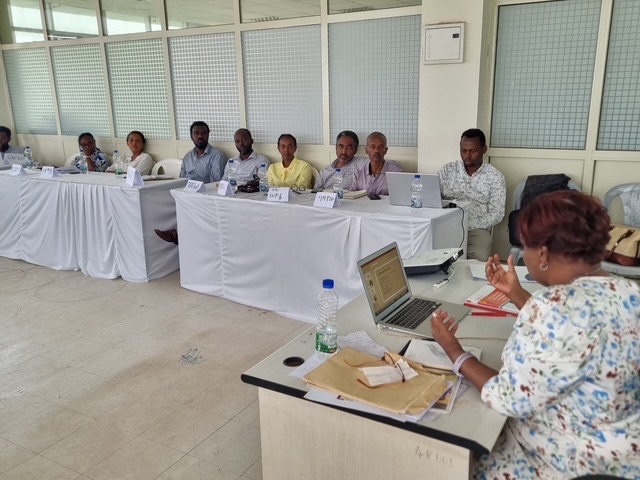
The ICDP programme in Ethiopia continues to make encouraging progress. In February 2026, a training with the aim of forming new facilitators was conducted in Awasa in collaboration with the Kingdom Resource Holistic Development Ministry.
A total of 26 participants attended the training, representing five faith-based denominations as well as some school teachers. The participants have 65 children in their care.
Following the completion of their theoretical facilitator training, all participants went on to do their practical work by implementing the ICDP programme with parents. They recruited 12 groups of parents and out of these, 10 groups have already been established, engaging approximately 143 parents with 343 children in their care.
Impact from Previous Facilitator Training
Participants who completed facilitator training in autumn 2025 have made significant contributions by recruiting 99 parents, with 235 children in their care.
Many parents shared that, before joining the programme, they had limited understanding of their children’s emotional and developmental needs. They believed that raising children mainly meant providing food and ensuring they attended school.
Through the training, parents reported important changes in their attitudes and practices. Several expressed that they previously did not allow their children to share their views or participate in conversations. After the training, they have started to listen more actively and engage with their children in a respectful and supportive way. Here is an example of this from one mother who shared her experience: “Before, I did not allow my children to play or talk openly with me because I was afraid of losing their respect. Now, after the training, we laugh together and discuss.”
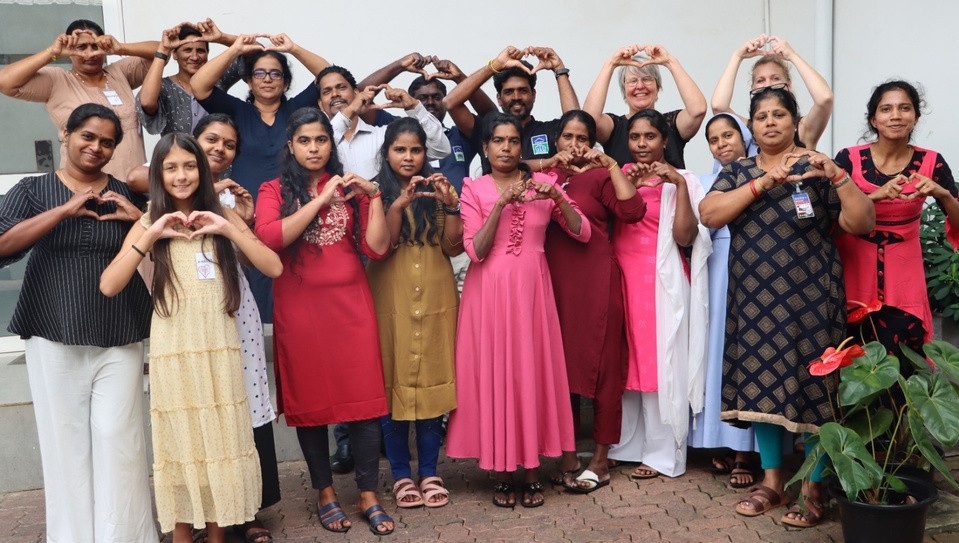
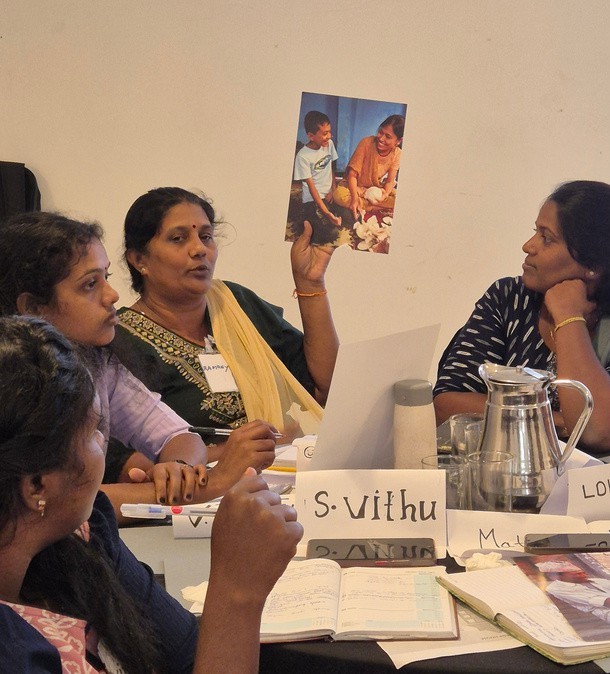
After over thirty years ICDP has been reintroduced in Sri Lanka. The training aimed at forming a new group of facilitators took place from 26 to 30th of January 2026, and it was conducted in Vavuniya, attended by 16 participants (5 were from the RAHAMA organization, 9 from their local partner organisations and 2 from the Catholic organisation VAROD). A translator was hired to translate to the non-English speaking part of the group. The two trainers, Renate and Heidi Westborg Steel contributed a significant amount of voluntary work to make the first training happen.
RAHAMA works in the northern districts of Sri Lanka and collaborates with a wide network of local and community- based organizations. RAHAMA works particularly with families affected by alcohol and drug- related problems and therefore has a strong focus on mental health. In November 2024, the plans began to materialize when Renate Paramanthan Roaldset contacted ICDP Norway regarding a longer family stay in Sri Lanka. RAHAMA had expressed interest in ICDP training, and plans were developed despite the project not being fully funded. The training was planned for late January 2026 but faced major challenges when the “ Ditwah” cyclone struck Sri Lanka in November 2025 – nevertheless, it was possible to proceed.
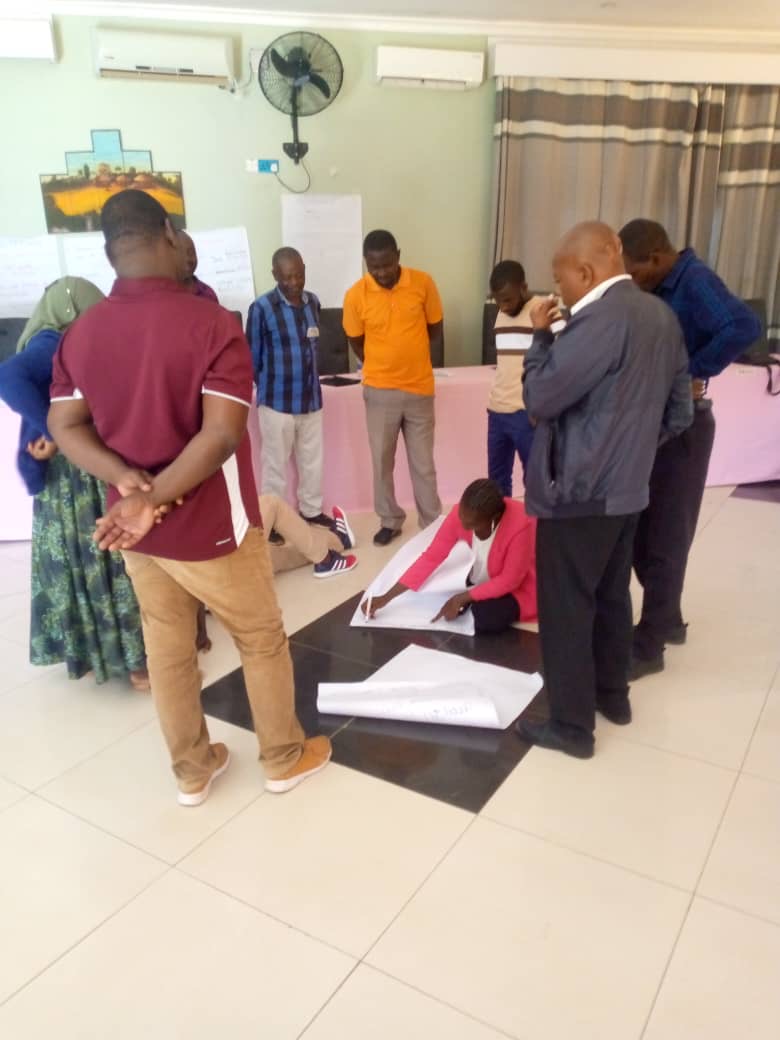
From the beginning, the atmosphere at the ICDP training workshop was open and engaged. Participants quickly connected to the content, especially through reflecting on their own childhood and their experiences as caregivers. A highlight of the week was the reflection session, which we named the ICDP Cultural Event. Participants worked in groups to express one of the ICDP dialogues or “The Land” through drama, art, song, or dance. The presentations demonstrated both creativity and deep understanding, and the activity created energy, pride, and a strong sense of ownership within the group.
Overall, the training created motivation, reflection, and readiness for further ICDP work in the communities. After the completion of the self- training groups, the last training session is planned for autumn 2026.
Participant feedback indicates a strong personal and professional impact. Many expressed that the training helped them reflect on their own childhood and understand children’ s feelings in a new way. Examples of reflections include:
“ I have revisited my own childhood experiences and truly felt the importance of respecting the feelings of children.”
“ We should respect the child’ s feelings. Through mutual respect comes a good future.”
“By praising even a child exhibiting negative behaviour, we can help transform that behaviour into something positive.”
“ I learned how to live within our family with love.”
“If one single person loves the child, that is enough.”
“ We should change ourselves first, then society.”
On Tuesday 24 February, 2026, ICDP Norway invited State Secretary Usman Mushtaq (on far left on photo above; photo by Klaus Holthe) to visit Grefsenhjemmet to learn about experiences and research on the effects of using ICDP in nursing homes. He was accompanied by Tamina Sheriffdeen Rauf from the Oslo City Council. Representatives from Oslo Municipality, Haraldsplass Diakonova, Fagskolen Diakonova, the Adult Education Services, the Norwegian Institute of Public Health, VID Specialized University, Grefsenhjemmet and Økernhjemmet also participated. Photo above by Klaus Holthe. The meeting was opened by Heidi Westborg Steel, Managing Director of ICDP Norway, who highlighted that ICDP may offer a practical solution for achieving person‑centred care in everyday practice.
Adapting ICDP for Elder Care: Research Findings and Ongoing Initiatives
Photo by Ane-Marthe Solheim Skar, showing Line C Holmsen presents her PhD work on ICDP in nursing homes
PhD candidate Line Constance Holmsen from VID presented findings from her doctoral research, in which she adapted the International Child Development Programme (ICDP) for use in elder care (International Caregiver Development Programme; ICDP). The results show that the programme strengthens person‑centred care and provides staff with a shared language and improved tools for psychosocial work. ICDP, delivered in small groups with a focus on reflection and mastery, has increased employees’ confidence, improved Norwegian language skills and strengthened professional communities. Staff report calmer residents, greater confidence, reduced need for medication—and some units have had periods without sickness absence during implementation.
At Grefsenhjemmet, 70 employees have completed ICDP training since 2019. At Økernhjemmet, around 45 employees have completed the programme. Fagskolen Diakonova announced that they are now developing a 15‑credit course that includes ICDP facilitator training and project management.
Experiences from Grefsenhjemmet
Grefsenhjemmet shared experiences showing how the method is naturally integrated into daily work and practice. The manager at Grefsenhjemmet, Julie Mittet, emphasized that ICDP can be practiced without fluent Norwegian, making it particularly relevant for multicultural teams. Employees said the programme has made their work easier, commenting for example: “I have started seeing the person and not just the disease” and “I reflect more on how I work.” Leaders and staff were clear that ICDP does not require more time—instead, it helps save time and encourages a different understanding and use of time, enabling more sustainable implementation.
International Perspectives and Evidence Needs
ICDP trainer Eli Østberg described the programme’s eight themes as “the new medicine.” Internationally, ICDP is referred to as a “vaccine against violence,” and Ane‑Marthe Solheim Skar from the Norwegian Institute of Public Health and the international ICDP board noted that the results, based on robust qualitative data, are already generating international interest and are being used as inspiration in Colombia, where the child version of ICDP has reached tens of millions of people. Skar emphasized the need for scale‑up combined with research on effectiveness and implementation outcomes for both residents and staff, including work environment, sickness absence, medication use and time allocation.
Government Reflections and the Way Forward
State Secretary Mushtaq highlighted the government’s ambition for services that see the individual across the life course, and reflected on how ICDP could be expanded on a larger scale. “Change is difficult, but this is common sense – what I wonder is why this has not spread further already?” he asked, while also encouraging a shift to a more positive narrative: from “ageing wave” to “ageing strength.”
The meeting concluded with a shared understanding that ICDP is an important tool for enhancing quality in elder care by developing and elevating the inherent caregiving competence of health care workers and unskilled staff. ICDP Norway will follow up on this work in light of the recently allocated “elder care uplift” funding in the national budget, with the aim of further scaling, systematic research and strategic anchoring in both education and services.
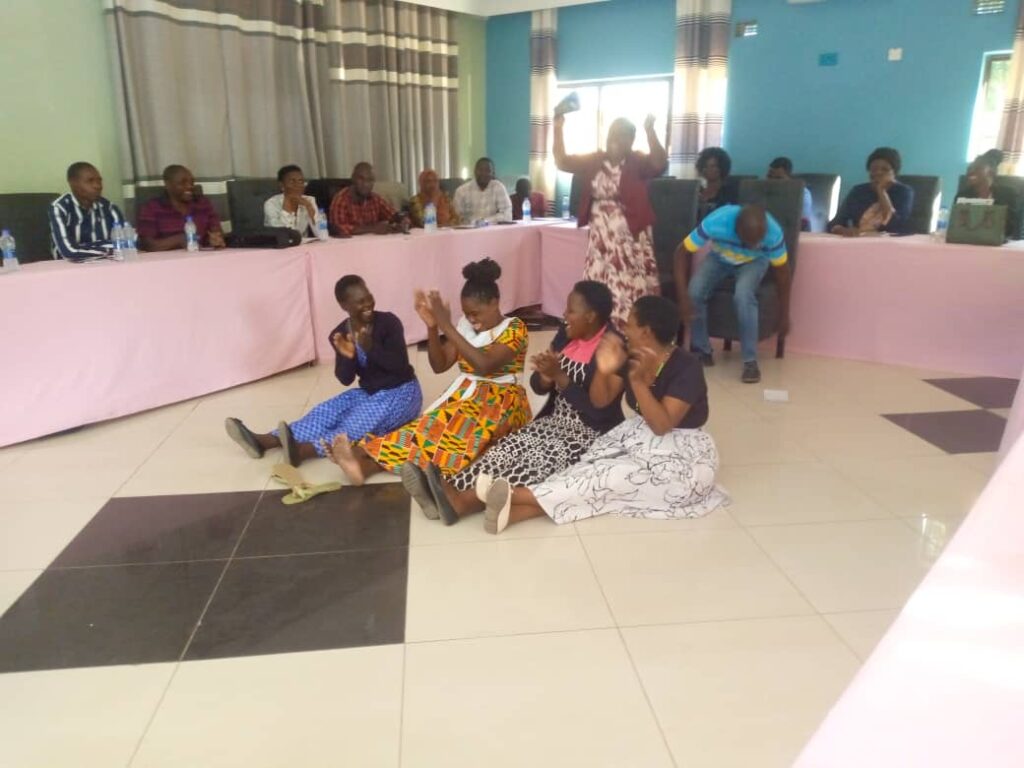
On 29th of January 2026, ICDP trainer Verynice Fredrick was invited to a day care centre called ENILUI to intro duce the ICDP programme. The workshop was attended by 17 parents and 3 teachers.
Verynice (on photo above) explained the aims of the ICDP organization and its programme and then she introduced the participants to all the components of the ICDP programme. A special focus was placed on seeing the child as a person. All participants showed to be very interested and were keen to share and contribute through sharing of personal stories. They arranged further training which took place on 5th February 2026.
Adapting competence development to multicultural healthcare teams: a qualitative study of the International Caregiver Development Programme (ICDP) in nursing homes
Enhancing holistic, biopsychosocial and person-centred care for older persons depends on developing competence in psychosocial care. To decrease the theory-practice-gap in person-centred care, there is a need for research to investigate adaptions of competence development within person-centred care that enables knowledge integration and reflexivity to practice. More research is needed on competence development in person-centred care that is tailored to the nursing home context.
Methods
This study aimed to explore how group leaders in International Caregiver Development Programme (ICDP) facilitated competence development within psychosocial care for multicultural healthcare teams in nursing homes. The qualitative design included five participatory observation sessions during the supervision of ICDP group leaders, one focus group interview conducted after the completion of ICDP, and the group leaders’ written logs and reflections from the ICDP group meetings. The data were analysed using thematic analysis.
Results
Three main themes were developed from the analysis:1) Creating the right atmosphere, consisting of (a) creating safety for openness, (b) highlighting mastery in practice and (c) helping ICDP participants to be mentally attuned; 2) Making the ICDP understandable, encompassing (a) transitioning to a reflective mode and (b) adapting the language level; and 3) Creating an inclusive and active learning environment, with (a) facilitating collective participation and (b) supporting the groups’ engagement as subthemes.
Conclusions
Study findings suggest that interventions for psychosocial competence development require adjustments based on healthcare workers’ need for security, a sense of mastery, present-moment awareness, reflection on practice, appropriate language level, commitment and motivation. Such adaptations may be crucial for healthcare workers’ ability to integrate knowledge, reflexivity and sensitivity into person-centred practice. ICDP appears to be flexible and adaptable to a nursing context. Further research is needed on the ICDP in relation to professional confidence, sick leave and sustainability.
New assessment of the evidence level for ICDP gives a score of 4 out of 5 possible, and it is classified as having satisfactory documentation of effectiveness.
Through the International Child Development Programme (ICDP), parents can receive support in their caregiving role. The measure is considered to have satisfactory documentation of its effect in the latest knowledge summary in Ungsinn magazine.
Background: This article is a knowledge summary on the effects of the International Child Development Programme (ICDP) initiative in Norway. The article is a revision of two previous descriptions of the same initiative in Ungsinn (Reedtz, 2014; Reedtz & Lauritzen, 2017). ICDP is a parent guidance program that seeks to support children’s psychosocial development by strengthening caregivers’ competence in their caregiving for children. The initiative is a low-threshold, time-limited and structured guidance initiative for caregivers of children aged 0–18 years and was developed by Karsten Hundeide and Henning Rye. The initiative owner in Norway is Bufdir and ICDP Norway. ICDP is implemented in arenas in the families’ local environment and in prison if the caregiver(s) is incarcerated.
Method: This knowledge summary is based on a systematic literature search in the databases Embase, Medline, PsycINFO, Norart, Cochrane, Cristin, Nora, Scopus and Swemed. Five articles based on partly the same sample met the inclusion criteria.
Results: The results include a summary of the description of the intervention, included effect studies, research methodological quality and implementation quality. The ICDP’s objectives, intervention arenas, design and methods are described. A total of six studies were included in this knowledge summary. Overall, there was no effect for most outcome variables that were measured across the included studies. For all positive findings, the effects of the intervention in the studies were consistently small. However, the results of the last study document that the parents’ perceived coping and regulation of the child’s emotions were strengthened after the intervention was implemented. The intervention has good routines for quality assurance of the implementation and a comprehensive strategy for spreading the intervention.
Conclusion: Based on Ungsinn’s criteria, ICDP is classified at evidence level 4 – Measures with satisfactory documentation of effect.
Read the English translation here and the original report in French here.
Taken from the report below are some of the testimonials from caregivers and facilitators:
“The ICDP program allowed me to listen to the children because before the training I didn’t listen to my children. The training has allowed me to devote time to my children, something I did not do before this training. I talk better with my children after this training.”
” This program allowed me to review my behavior with children, it led me to no longer judge children, but to try to understand the other in his or her vocations, empathy.”
“A wonderful experience, another knowledge acquired and the satisfaction of helping parents to take better care of their children and finally the satisfaction of contributing to the construction of a healthier, educated and less violent society.”
“I have acquired knowledge, skills, and attitudes that allow me to strengthen my relationships with my nephews and nieces, my Sunday School children, and children in general. I also learned skills to train parents on the ICDP approach.”
“Showing your love to the child and the child seeing that you put yourself on the same level is something extraordinary for them. These have been experiences extraordinary for them in terms of knowledge and educational practice for children.”
“Improvement of parents’ view of their children’s faults, improvement of relationships with children, change of children’s behavior in a gentle way.”
“The project has brought a big change in the relationship between parents and children and this has improved exchanges and communication between parent and child. So a positive impact on the lives of the families of caregivers.”
“This program has allowed caregivers to take ownership of the program’s themes and to put them into practice wherever they are. It also allowed them to better understand how to educate children, have good communication with children.”
“Several parents who had a sense of anger at children’s shortcomings felt liberated after the children’s redefinition and felt more willing to support children and accept their individuality.”
“We have a caregiver who has a 9-year-old daughter who was interested in cooking but she refused to let her do it; after the training she started cooking with her and today her daughter can cook and knows how to cook a lot of dishes.”